


Finding the right makeup for acne-prone skin can be challenging, but it is essential for achieving a flawless look without exacerbating breakouts. The best makeup products should be non-comedogenic, lightweight, and soothing, allowing your skin to breathe while providing adequate coverage. This guide aims to help you navigate your makeup choices to enhance your natural beauty and keep acne at bay.
Understanding Acne-Prone Skin
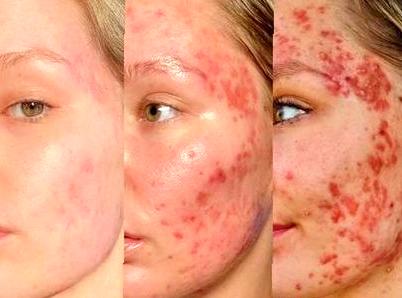
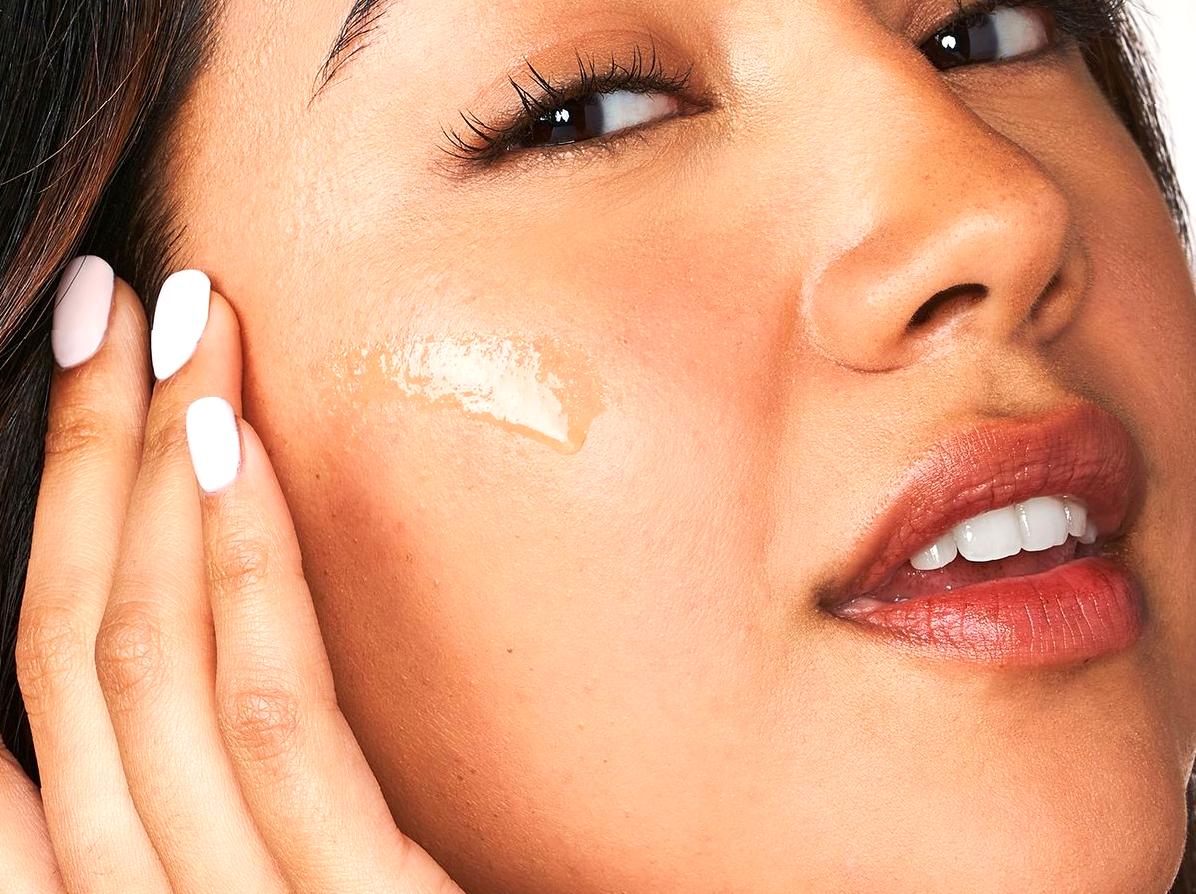
Acne-prone skin tends to be sensitive and may react negatively to heavy or harsh makeup formulations. This sensitivity makes it crucial to select products that won’t clog pores or irritate the skin. Common factors contributing to acne include excess oil production, hormonal changes, and bacteria, all of which can be aggravated by certain makeup ingredients. Therefore, understanding your skin type is key to making informed choices when it comes to makeup. Pay closer attention to your skin; does it feel tight, oily, or inflamed? Knowing your skin’s behavior can guide you toward products that will work in harmony with your unique needs. Additionally, it’s advisable to consult with a dermatologist if you’re unsure about which products are suitable for your skin type.
Choosing the Right Products
When selecting makeup for acne-prone skin, consider the following product types:
-
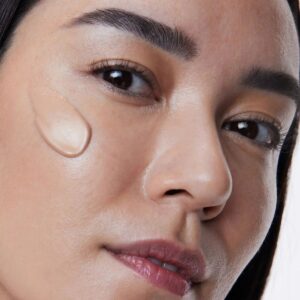
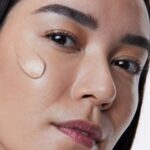
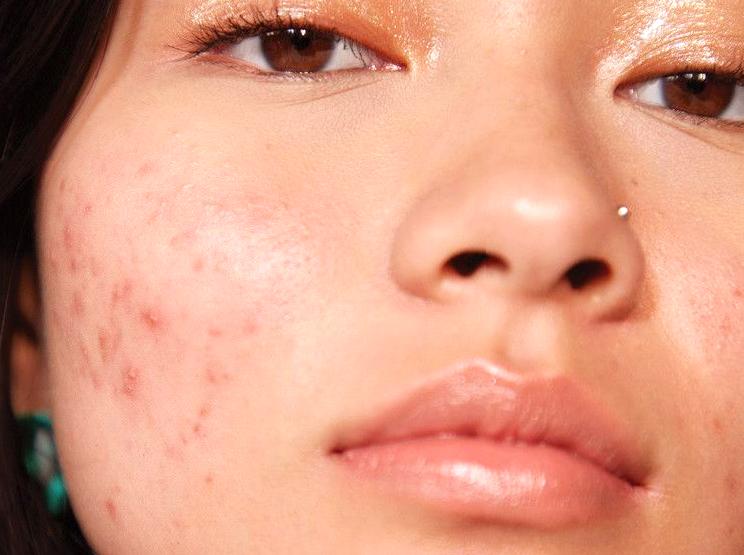
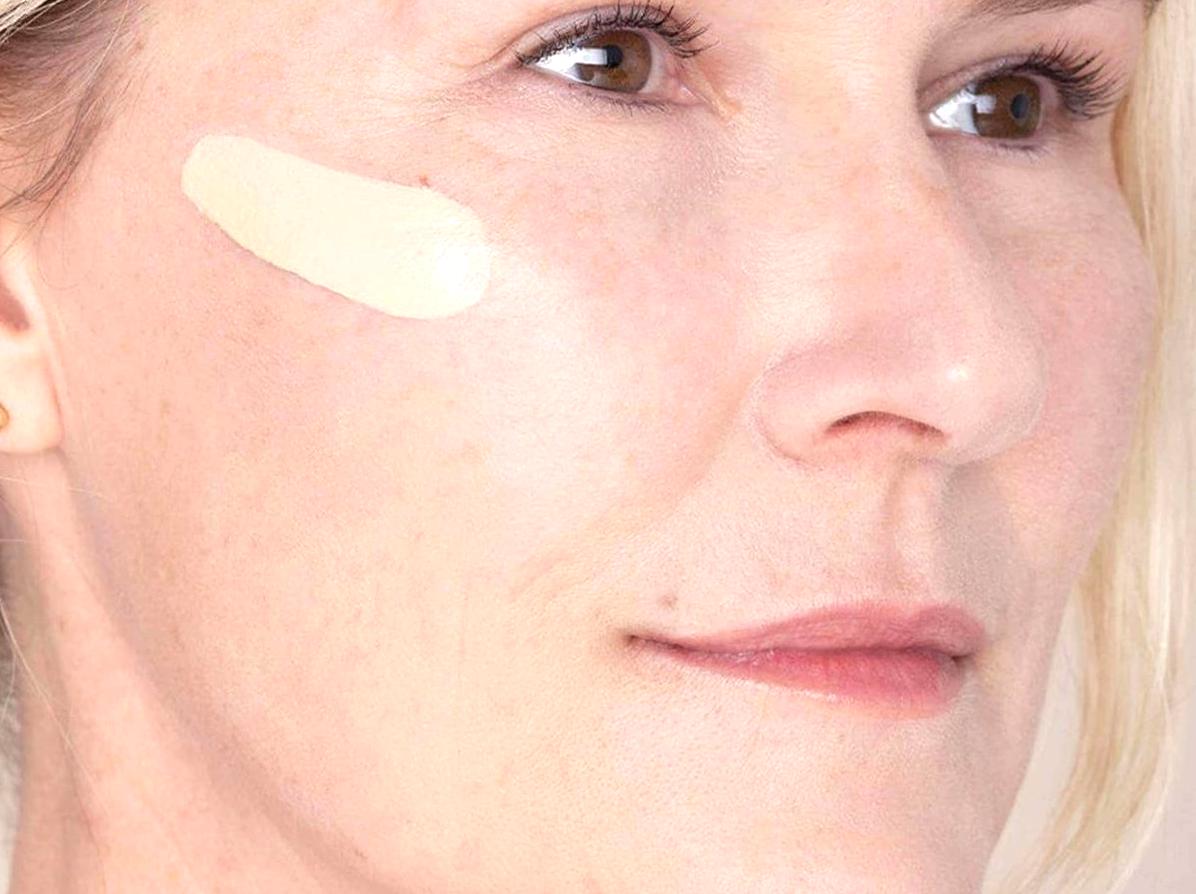
- Foundations: Opt for oil-free, non-comedogenic foundations that provide sheer to medium coverage. Look for formulas that contain salicylic acid or other acne-fighting ingredients.
- Concealers: Choose concealers designed for sensitive skin, preferably those with a creamy texture that blends well without clogging pores.
- Primers: A mattifying primer can help control oil and enhance makeup longevity, offering a smoother base for application.
- Blush and Bronzer: Go for mineral-based or powder formulations instead of cream products to reduce the chances of breakouts.
- Setting Sprays: Use a setting spray that is alcohol-free to ensure that your makeup stays in place without irritating the skin.
Additionally, always check for labels that state ‘hypoallergenic,’ ‘oil-free,’ or ‘non-comedogenic’ as these attributes indicate a reduced risk of causing breakouts. Don’t hesitate to ask for samples to test products before committing, allowing you to see how your skin reacts without making a full investment.
Application Techniques
How you apply your makeup can significantly impact how your skin behaves throughout the day. Here are some effective techniques to consider:
- Start Clean: Always begin with a clean canvas. Wash your face thoroughly to remove any impurities before applying makeup.
- Moisturize: Use a lightweight, oil-free moisturizer to hydrate your skin without excess grease.
- Apply Primer: Use a mattifying primer to control shine and create a smooth surface for your foundation.
- Layer Sparingly: Build coverage gradually instead of applying thick layers, which can appear cakey and exacerbate breakouts.
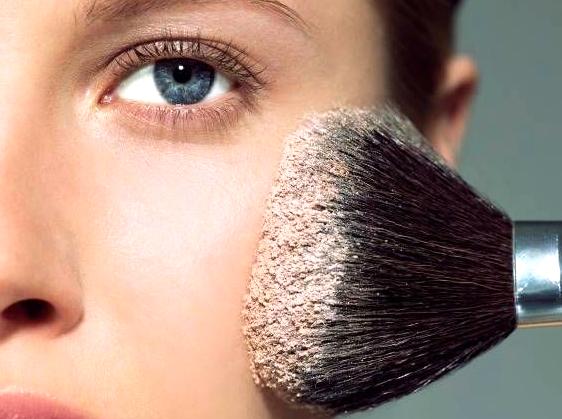
- Utilize Tools: Use clean brushes or sponges to apply makeup, ensuring that bacteria or old makeup isn’t transferred to your face.
Each of these steps can make a significant difference in how your makeup looks and feels throughout the day. Proper tools and techniques will allow for a more natural finish while minimizing the risk of irritation.
Removing Makeup Properly
Gentle makeup removal is as crucial as application when caring for acne-prone skin. Using harsh scrubs or wipes can strip your skin of its natural oils, leading to increased irritation and potentially more breakouts. Instead, focus on these steps for effective removal:
Begin with an oil-based cleanser or micellar water to break down makeup without tugging at the skin. Gently massage the product onto your face, allowing it to dissolve any makeup. Follow this with a gentle foaming or cream cleanser to remove remaining impurities without over-drying. Always finish with a soothing toner suitable for your skin type to bring back balance. Remember to never sleep with makeup on, as this can lead to clogged pores and skin irritation.
Conclusion
Selecting the best makeup for acne-prone skin is a matter of understanding your skin’s needs and making informed product choices. By prioritizing non-comedogenic and lightweight formulations, utilizing proper application techniques, and ensuring effective makeup removal, you can achieve a beautiful look while minimizing acne flare-ups. Always be mindful of how your skin reacts to different products and adjust your makeup routine accordingly.
FAQs
- 1. Can I use regular makeup if I have acne-prone skin?
- It’s best to avoid regular makeup that is heavy and comedogenic. Choose products labeled as non-comedogenic and specifically designed for sensitive or acne-prone skin.
- 2. What are some common ingredients to avoid in makeup for acne-prone skin?
- Steer clear of ingredients like heavy oils, alcohol, sulfates, and fragrances, as these can irritate the skin and worsen acne.
- 3. How do I know if a product is non-comedogenic?
- Look for labels that explicitly state ‘non-comedogenic’. You can also research products or consult with your dermatologist for recommendations.
- 4. How often should I change my makeup products?
- It’s essential to regularly assess how your skin reacts to products and consider changing them every few months or if you experience increased breakouts.
- 5. Is it necessary to use a makeup remover for acne-prone skin?
- Yes, using a proper makeup remover helps to lift makeup without harsh scrubbing, preventing clogged pores and irritation, which are critical for acne-prone skin health.