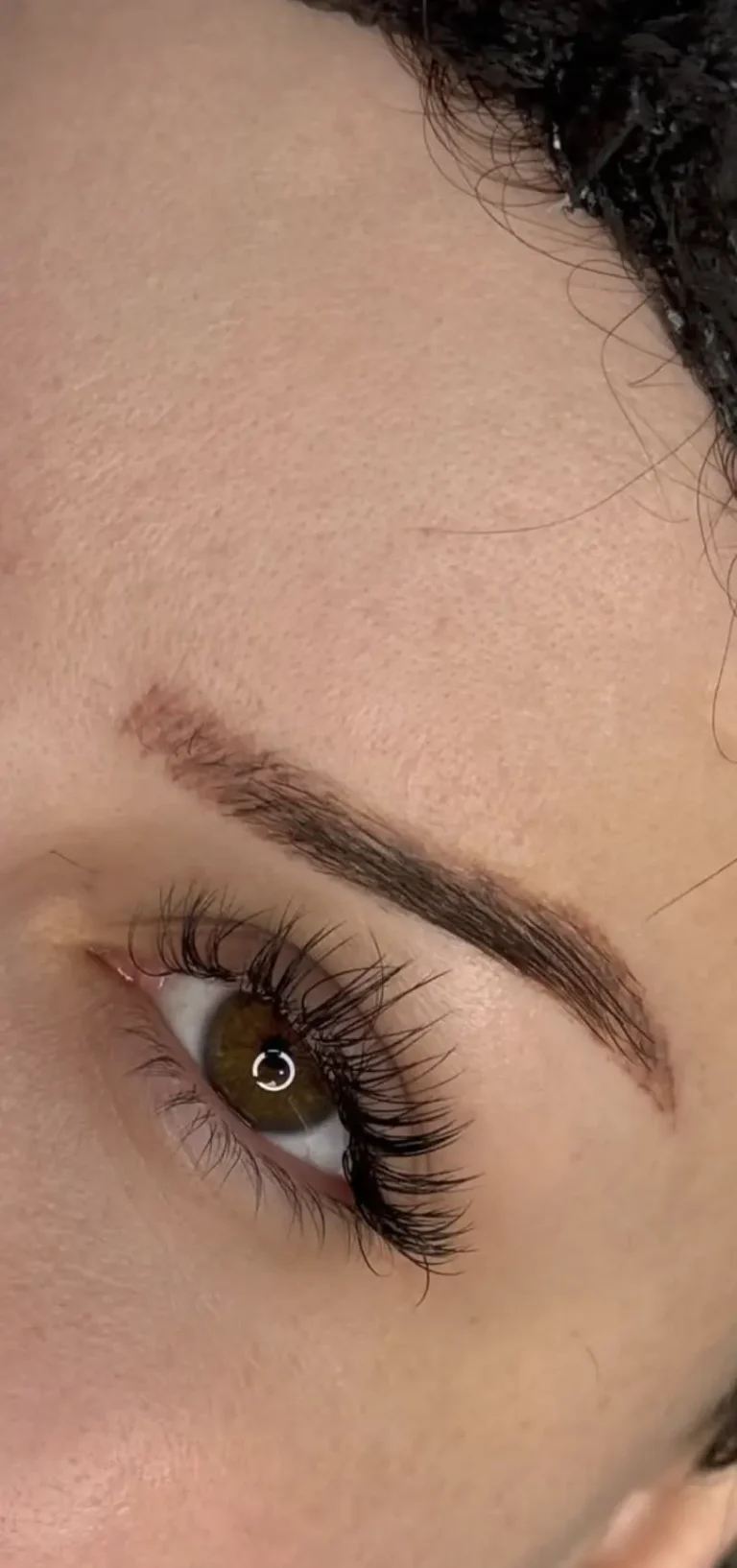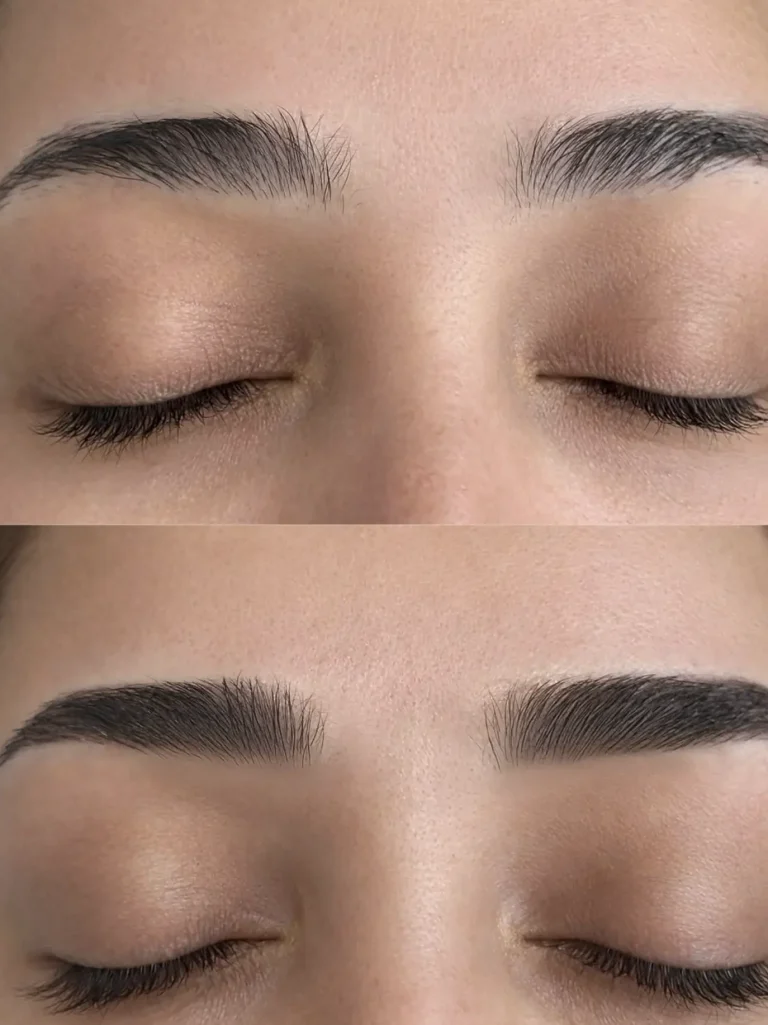

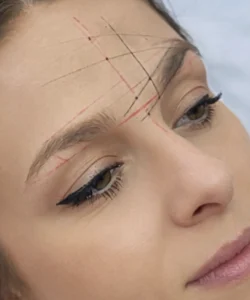
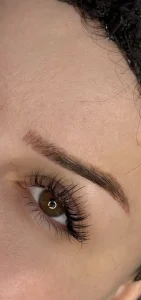
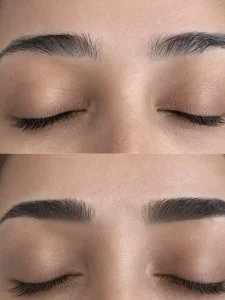
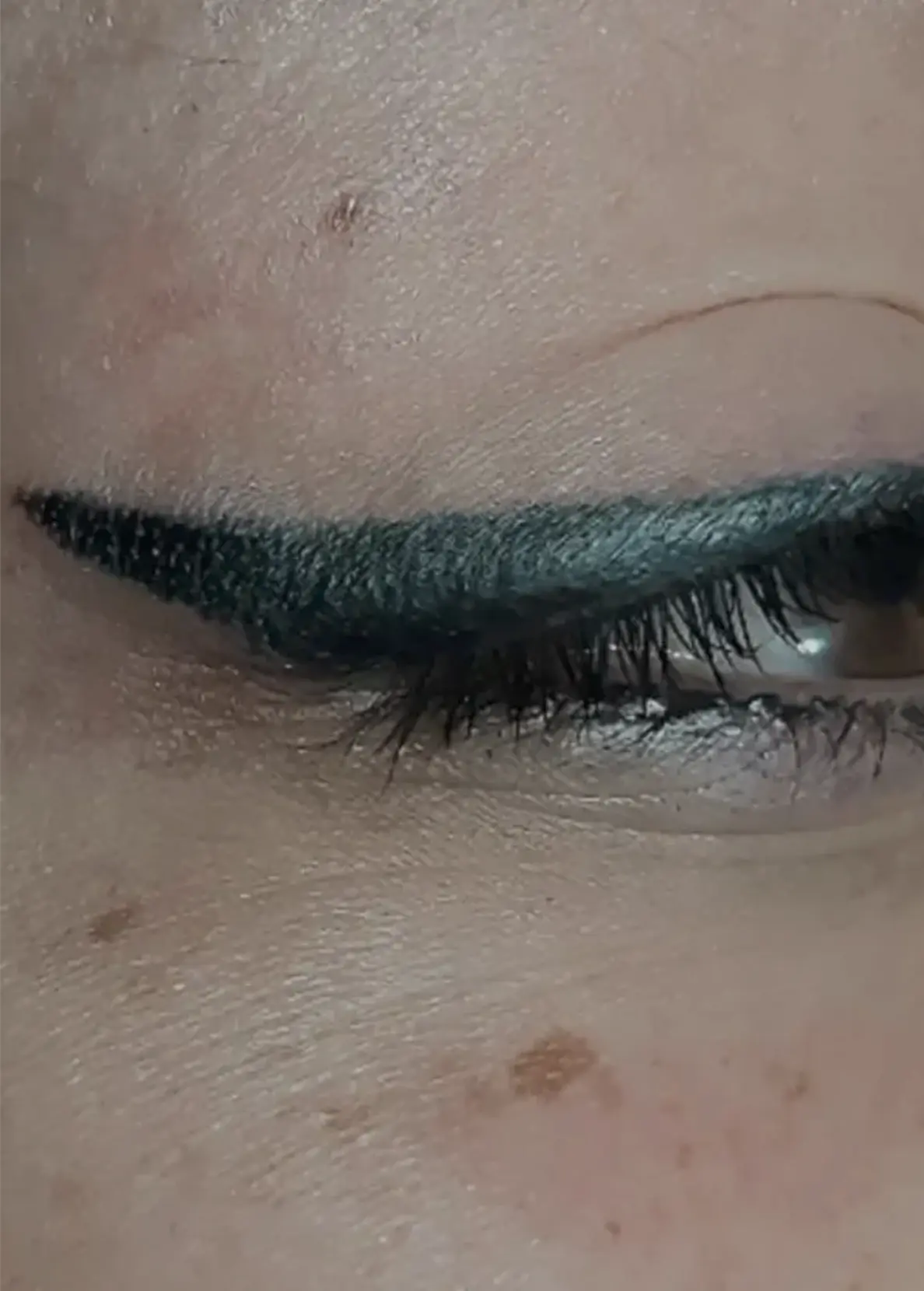
“Can an eyeliner tattoo cause dry eyes?” — It’s a question I get in my Melbourne studio more often than you’d think. Permanent eyeliner tattoos are super popular because they save time, reduce products and look polished from day to night. But the eyes are delicate, and people naturally worry about dry eye symptoms, tear film stability, Meibomian Glands, and long-term damage.
I’m Olha Po, a licensed cosmetic tattoo artist at Face Figurati, and I’ve seen everything from the smoothest healing journeys to tricky flare-ups. Today I’ll break down the facts, debunk the myths and explain how to make eyeliner tattoos safe — especially if you already have Dry Eye Syndrome, wear contact lenses or have allergies.
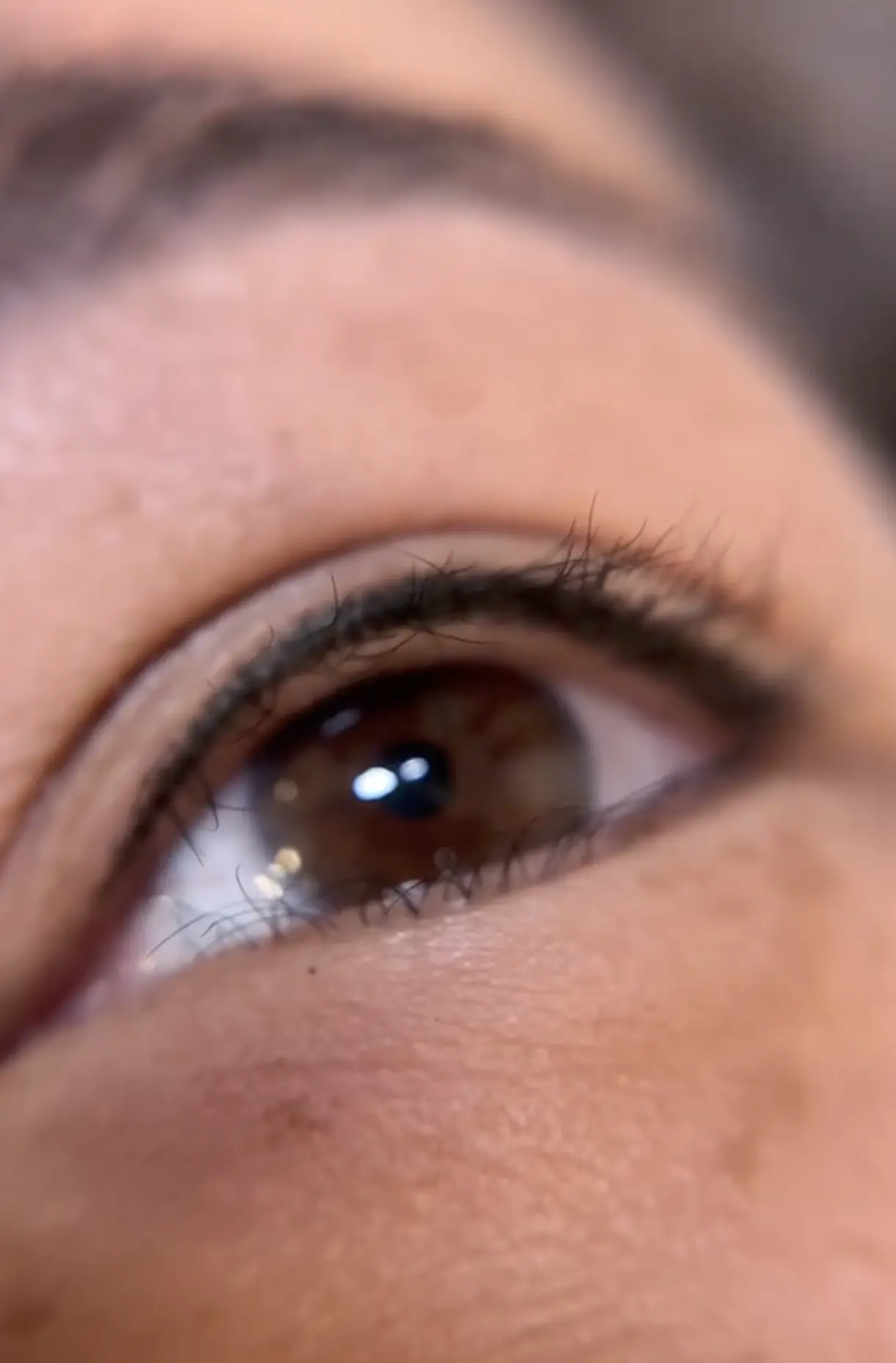
What Happens During The Tattooing Process
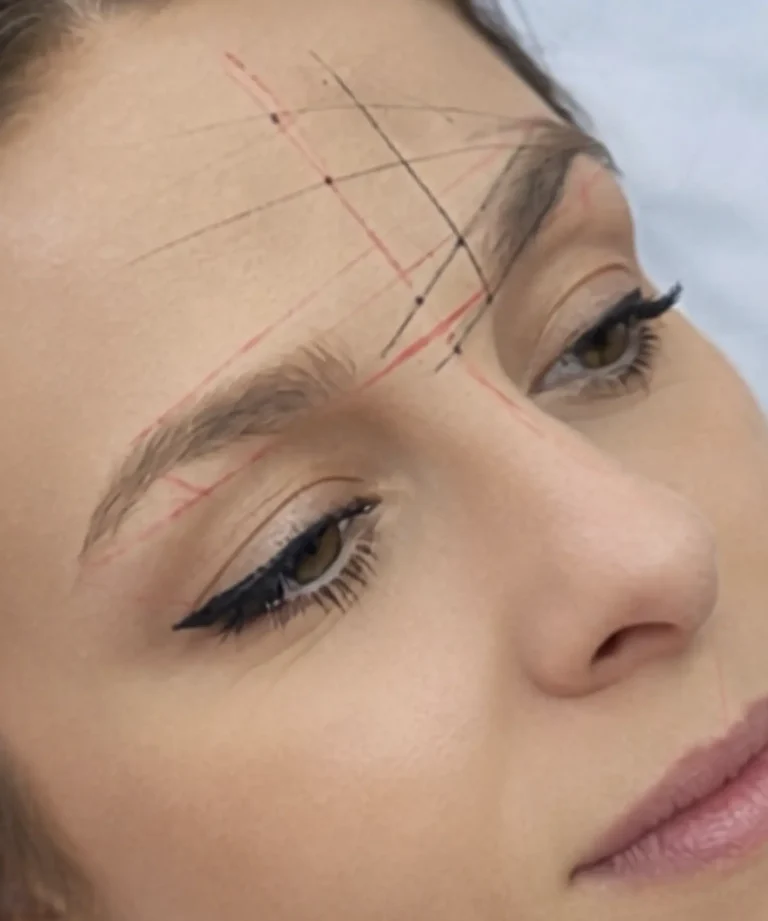
Let’s get back to what’s actually happening when you get a permanent eyeliner tattoo. The process is not as scary as it sounds once you understand the technique.
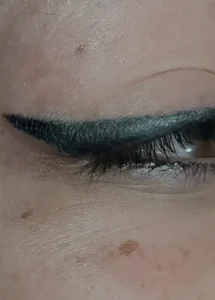
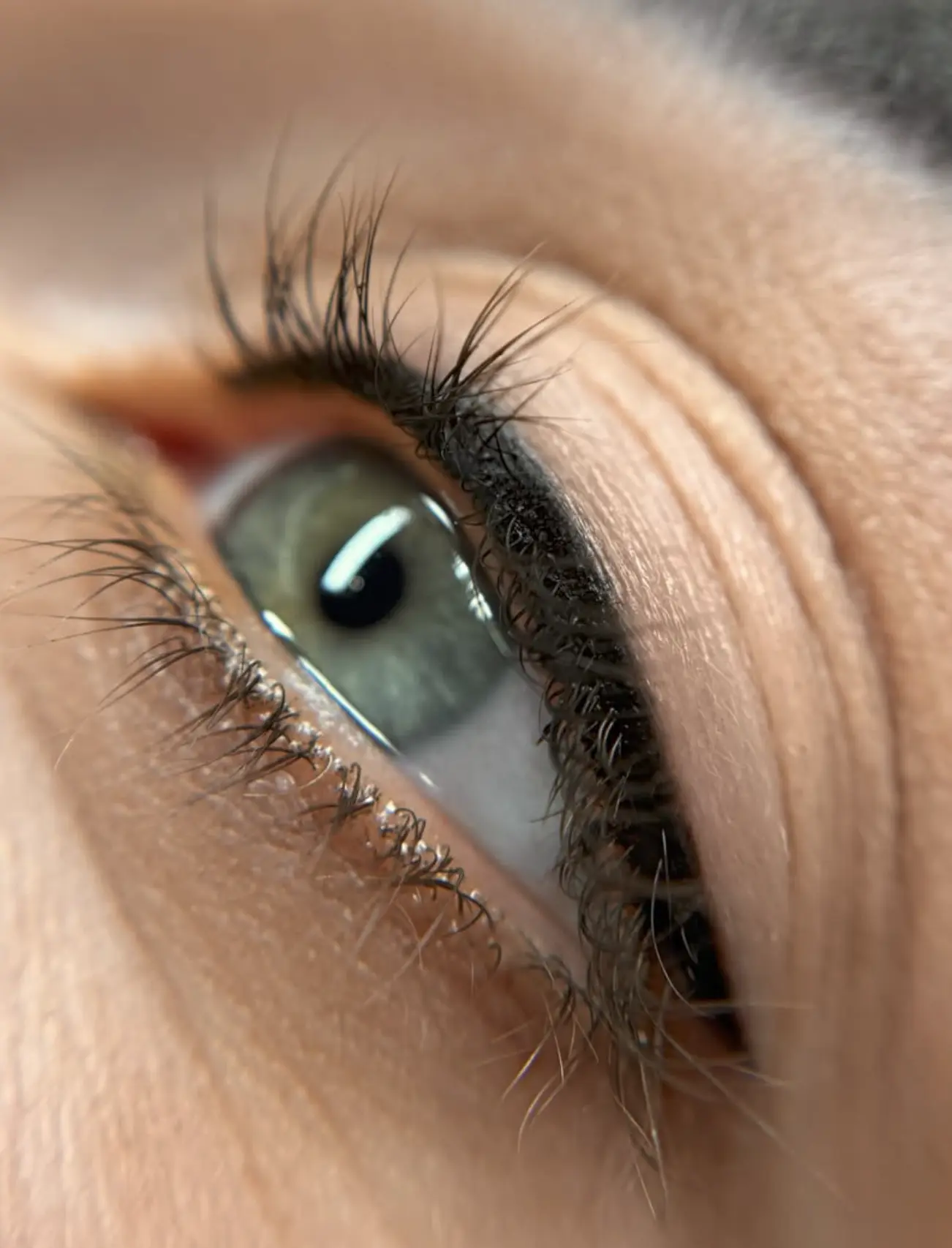
I use a digital tattoo machine with super-fine tattoo needles. These needles are designed for delicate skin and implant cosmetic tattoo pigment just under the surface. We’re talking millimetres into the skin, nowhere near the eyeball. It’s important to stress this: cosmetic tattooing for eyeliner is completely different to scleral tattoos or ocular surface tattooing. Those involve injecting pigment into the white of the eye, which is dangerous and has been linked to serious complications like corneal opacities and even vision loss. Permanent eyeliner sits in the skin of the eyelid margin, never the globe of the eye.
Here’s what usually happens during the appointment:
- Numbing cream goes on first. This is for patient comfort. Some numbing products can affect the tear film temporarily, but the effect usually passes within hours.
- The tattooing process begins. I gently stretch the skin to get smooth contact, then work pigment into the lash line using techniques taught in a professional eyeliner tattoo course.
- Aftercare instructions are given. Clients are told not to rub their eyes, avoid makeup residue and apply healing ointments as directed.
The whole process takes 1.5 to 2 hours, including consultation. It’s fast, but because it’s the eyelids, it can affect the anterior segment of the eye and how tears spread across the surface. That’s why some clients experience dry healing or a feeling of tightness in the days after.
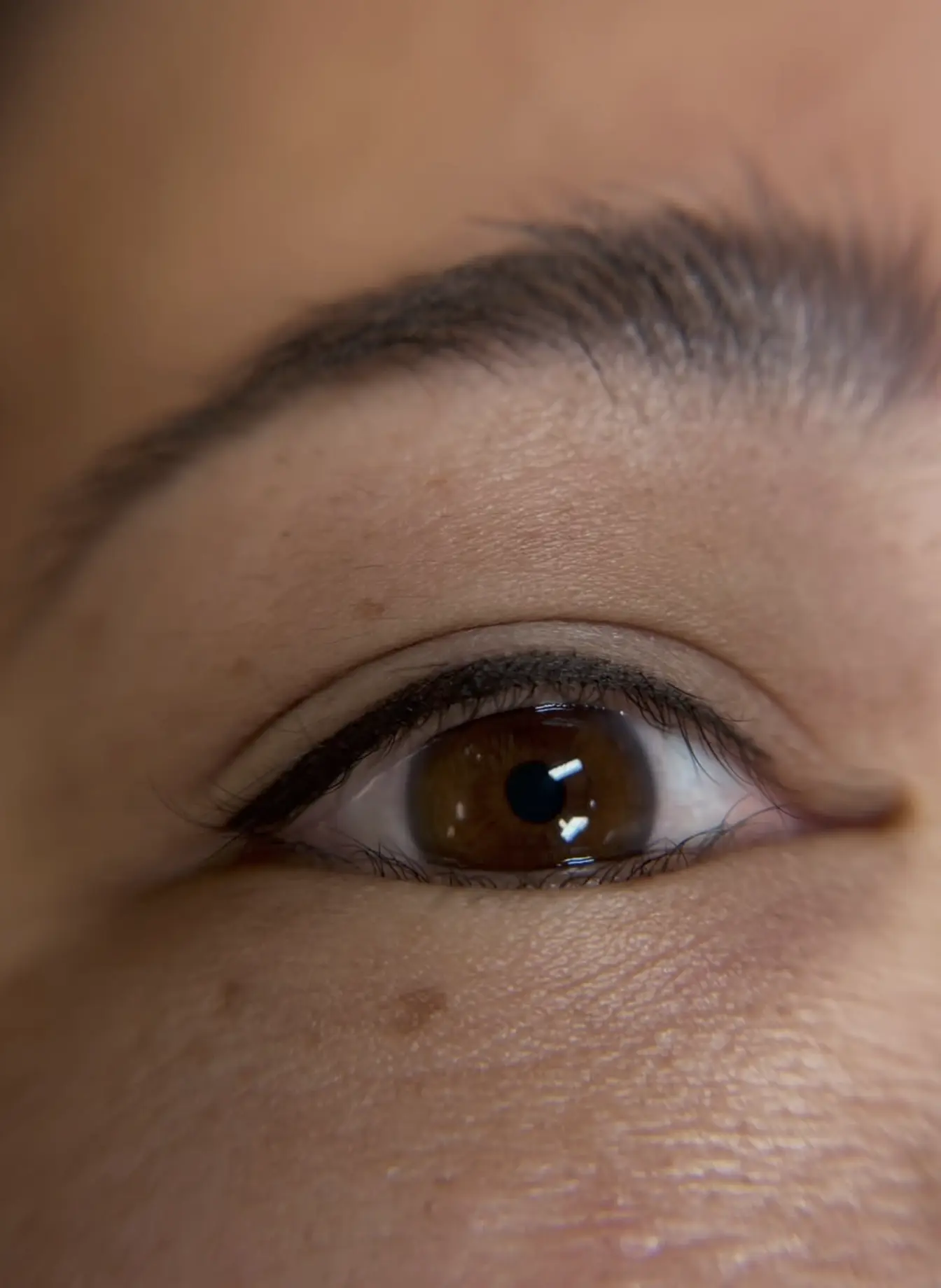
The Tear Film And Meibomian Glands
Before we get into the risks, let’s talk about how healthy eyes work. Your comfort depends on a delicate balance called the tear film. This isn’t just water in your eyes — it’s a layered system:
- The oil layer comes from the Meibomian Glands in your eyelids. These oil ducts release lipids that coat the surface of your tears. Think of it as cling film over leftovers — it stops your tears from evaporating too quickly.
- The water layer comes from your lacrimal glands. This is what keeps the eye hydrated and washes away dust, bacteria, and tiny makeup particles.
- The mucus layer makes sure the tears spread evenly, so you don’t have dry patches on your cornea.
When Meibomian Glands get inflamed (a condition called meibomian gland dysfunction), the oil layer weakens. This leads to tear film instability, quicker evaporation and the dreaded Dry Eye Syndrome.
Procedures like permanent makeup tattoos can temporarily stress these glands. Add to that eyelash extensions, eyelash extensions, eyelash extensions, eyelash curlers, eyelash serums or makeup residue and dryness can become more noticeable.
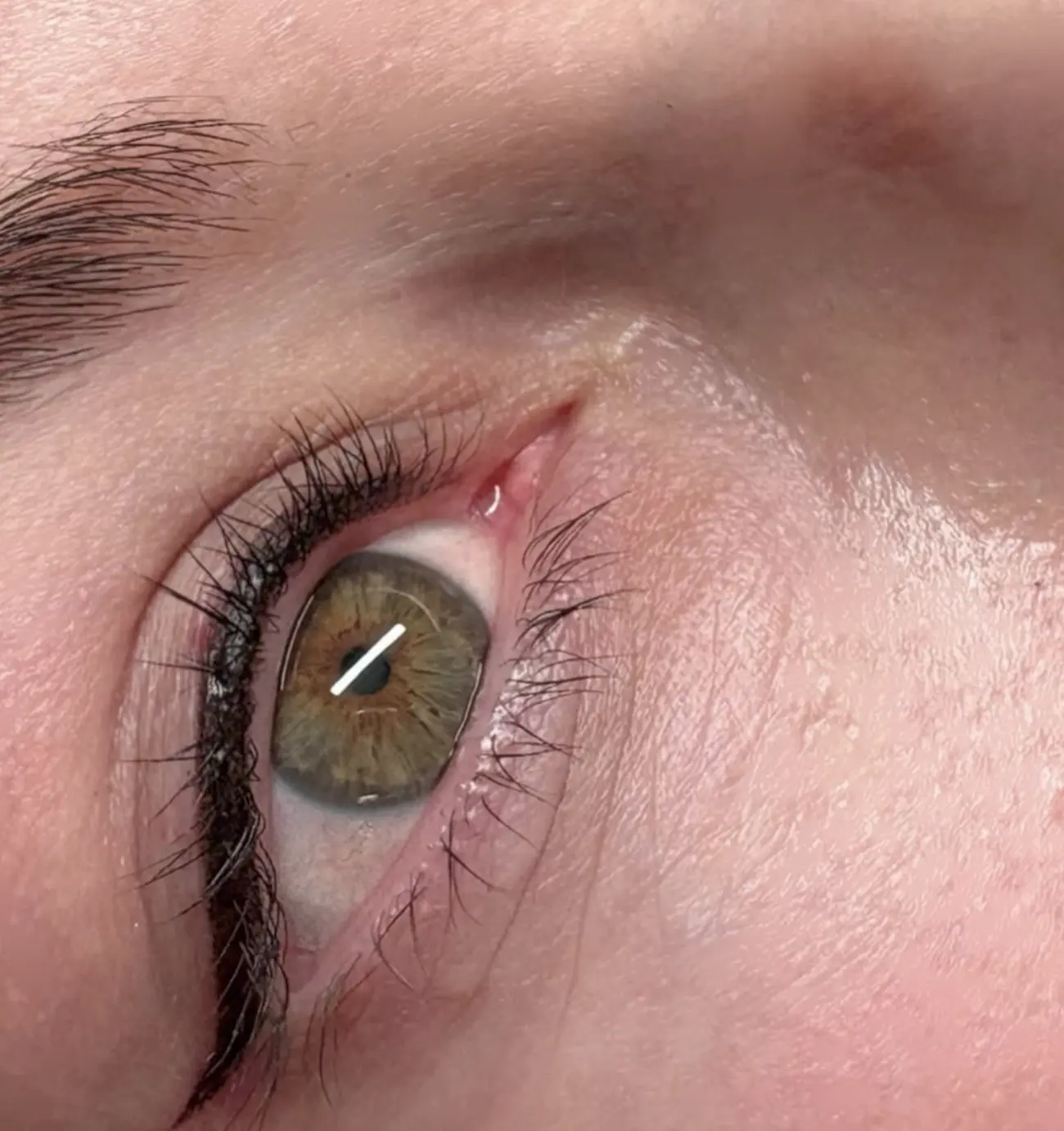
The Link Between Eye Tattoos and Irritation
The honest answer: yes, sometimes, but usually only temporarily. Research shows that cosmetic tattooing near the eyelid margin can trigger ocular symptoms like mild dryness, grittiness or tearing.
Common causes include:
- Inflammatory response from the skin
- Short-term tear film disruption during healing
- Swelling of the anterior segment of the eye
- Allergic reactions to pigment or aftercare products
In rare cases, if hygiene isn’t followed, complications like bacterial infections (staphylococcal bacteria), tattoo granuloma, granuloma formation or corneal abrasions can occur. That’s why working with a professional artist using sterile, ophthalmologist-tested products is non-negotiable.
Statistics And Data On Dry Eyes
| Source | Findings | Cosmetic Tattoo Relevance |
|---|---|---|
| Korean Journal of Ophthalmology (2020) | Temporary rise in Ocular Surface Disease Index (OSDI) scores post-eyeliner tattoo | Confirms short-term dry eye symptoms |
| Optometry Australia | Screen use increases dry eye symptoms by 35% | Many tattoo clients also work long screen hours |
| Face Figurati client data (2023) | <5% of clients reported dry eye symptoms beyond 2 weeks | Studio-level outcomes with safe practices |
| Australian Vision Research | 11% of adults report Dry Eye Syndrome | Shows pre-existing risk in the general population |
Risk Factors For Dry Eye After Tattoo
In my Melbourne studio, I’ve seen these factors increase risk:
- Contact lens wear — lenses already affect the tear film.
- Allergies — pollen and dust increase the inflammatory response.
- Mature age — oil glands slow down after 50.
- High screen use — reduces blink rate, dries eyes out faster.
- Cosmetic usage — harsh mascaras, glitter particles and non-hypoallergenic products can clog oil ducts.
When I know a client ticks one of these boxes, I’ll always adjust their treatment plan. Sometimes that means going for a lighter lash enhancement instead of a bold liner. Sometimes it’s building an aftercare routine with lubricating eye drops or fish oil supplements to help stabilise the tear film.
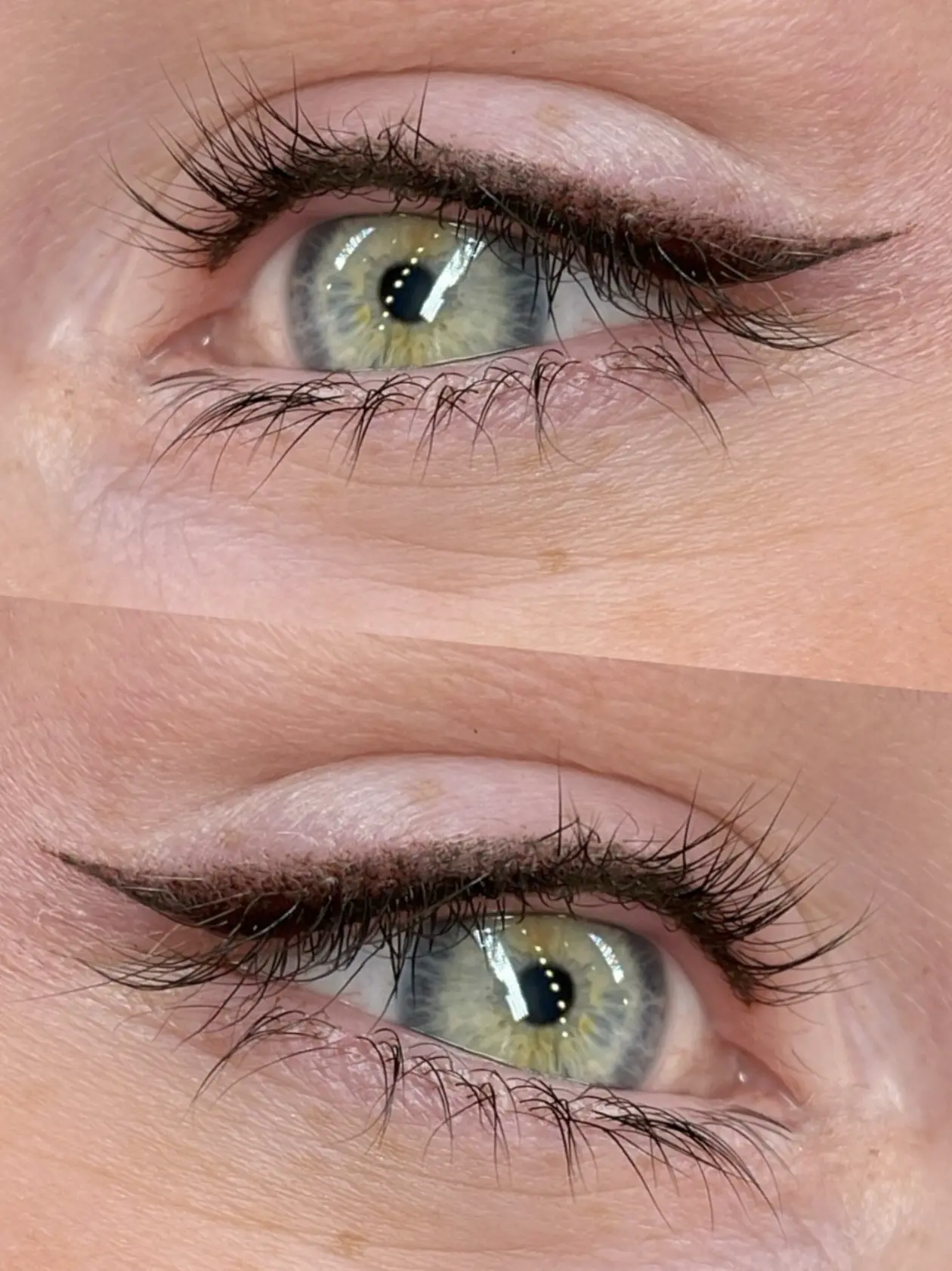
Dry Eye Symptoms To Watch For
What does dry eye feel like after eyeliner tattooing? Clients describe it in many ways:
- “It feels like sand in my eyes.”
- “They water all the time, which makes no sense if they’re dry.”
- “My lids feel tight, like I’ve used an eyelash curler too much.”
The key symptoms are:
- Burning or stinging
- Grittiness
- Redness
- Sensitivity to light
- Excess tearing
- Blurred vision that clears up after blinking
Most of these are temporary. If symptoms persist longer than 2 weeks, I’ll usually recommend a check-up with eye care professionals.
Healing Process And Timeline
Healing is where most people notice dry eye symptoms. Let me break it down for you:
- Day 1–3: Lids are swollen, sometimes watery. It can feel like you’ve cried for days. Eye drops may help.
- Day 4–7: Pigment starts to flake. Tear film is disrupted, and dryness peaks. This is where people freak out, but it’s normal.
- Week 2–3: Swelling settles. Oil ducts start working again, and dryness eases.
- Week 4–6: Healing is complete. Pigment looks softer and natural. Dryness should be gone.
I always tell my clients: don’t panic, don’t pick, and don’t rub. Healing is temporary, and the body knows how to rebalance.
How To Reduce Dryness After Eyeliner Tattoo
From my experience at Face Figurati, here’s what works:
- Preservative-free lubricating eye drops (ophthalmologist-tested products).
- Fish oil or omega-3 supplements can help with tear film stability.
- Avoid eyelash curlers, eyelash extensions or makeup residue during healing.
- Use hypoallergenic mascaras once healed.
- Avoid laser tattoo removal too soon — it can irritate the ocular surface.
My clients who follow these steps almost always report smoother healing and less dryness.
Long-Term Complications: Fact Or Fiction?
Permanent eyeliner, when done properly, rarely causes long-term damage. But here are the extreme scenarios people worry about:
- Ink migration — pigment moving slightly from the lash line.
- Corneal abrasions or corneal opacities — rare, usually from accidental injury.
- Ocular injuries like globe penetration — extremely rare, mostly from untrained operators.
- Vision loss, retinal detachment, intraocular injection, intraocular pressure issues — not associated with cosmetic tattooing, but with experimental scleral tattoos or conjunctival tattoos.
Client Story: Real Melbourne Experience
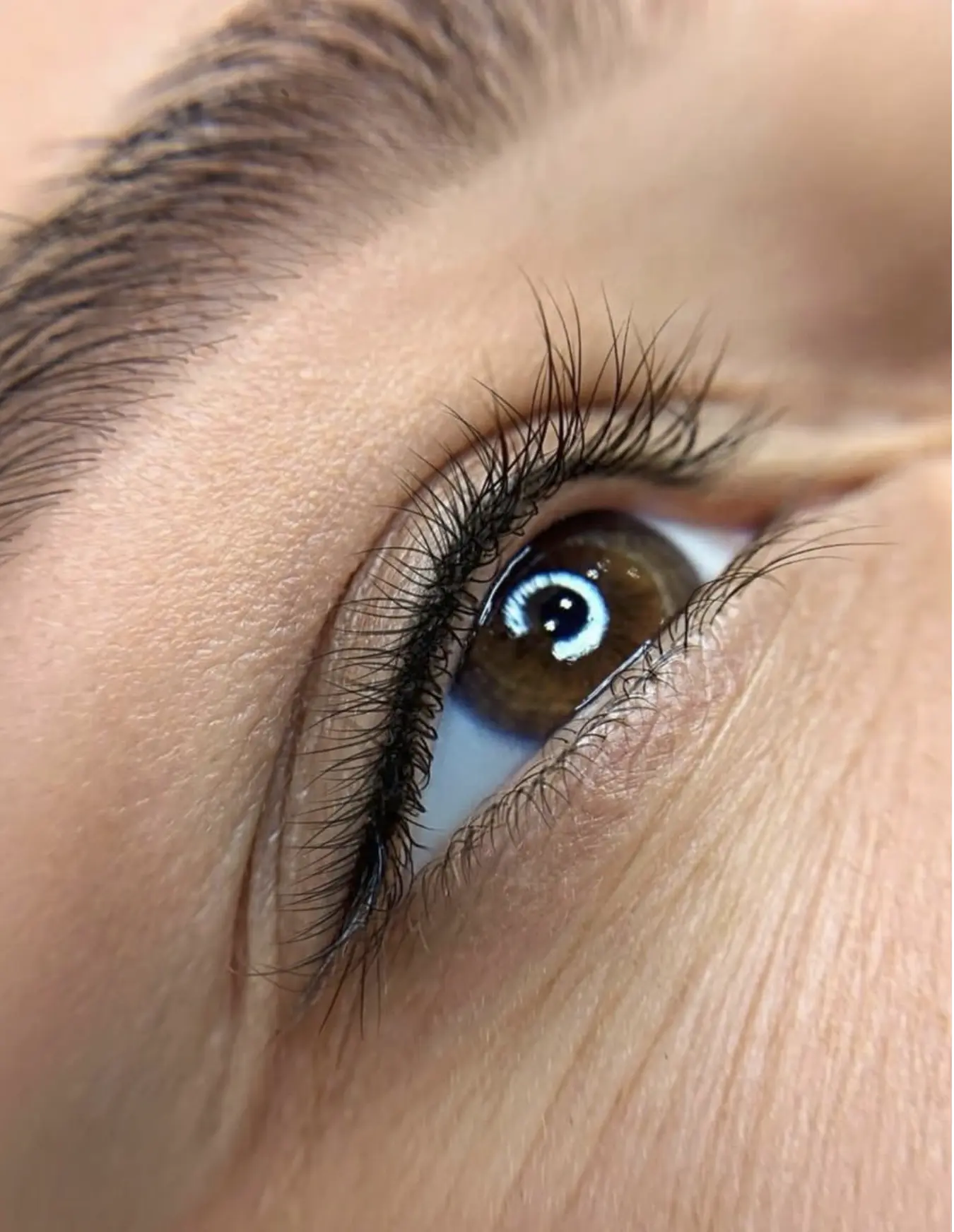
A client named Maria came to me with Dry Eye Syndrome diagnosed by her optometrist. She wore contact lenses daily and was worried about dryness getting worse. We changed her style to a fine lash enhancement instead of bold permanent eyeliner. With a tailored aftercare plan (eye drops + fish oil), her ocular symptoms cleared up within 2 weeks. At her touch up she reported no ongoing issues. So it works.
Final Thoughts And Call To Action
So, can an eyeliner tattoo cause dry eyes? Sometimes — but usually only for a short healing period. With the right preparation, professional artist expertise, sterile tools and aftercare, you can enjoy the benefits of permanent eyeliner tattoos without compromising your eye health, which is why quality eyeliner tattoo course place such a strong focus on hygiene and eye safety.
At Cosmetic Tattoo Studio Melbourne Face Figurati, I put safety, precision and honest education first. Still unsure if eyeliner tattooing is right for your eyes? Book a consult — I’ll walk you through your options with a reality check.
FAQ
Can permanent eyeliner cause long-term dry eye?
No, dryness is usually short-term. Dry Eye Syndrome pre-exists more.
Will permanent eyeliner damage my tear ducts or lacrimal glands?
No. Pigment is implanted in the skin, not in these structures.
Can I use eyelash serums or extensions after eyeliner tattooing?
Yes, but only after full healing. Early use can clog oil ducts and worsen dryness.
How to manage dry eye symptoms post-tattoo?
Use lubricating eye drops, fish oil supplements and hypoallergenic mascaras after healing.
Is eyeliner tattoo safe if I’ve had ocular injuries before?
It depends. Always consult your eye care professionals if you have a history of corneal abrasions, ocular symptoms or ocular injuries.